Economic Resilience and Security Initiative

Building a more resilient Canadian economy by reducing strategic vulnerabilities and strengthening industrial capacity.
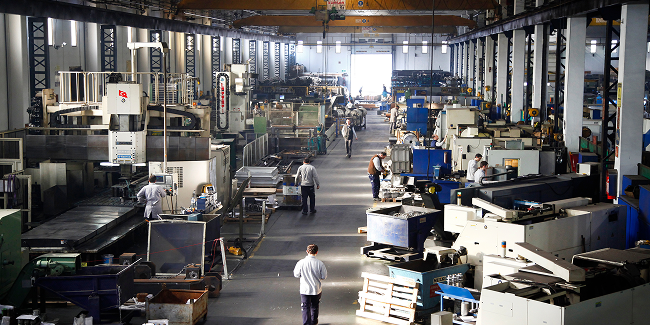
Canada’s economic security increasingly depends on its ability to compete in strategic industries, strengthen supply chains and domestic capabilities, and manage dependencies without closing itself off from the global economy. As industrial policy, economic coercion and geopolitical competition reshape global markets, Canada needs a clearer view of what it must build, where it can remain open, and where greater protection and resilience are required.
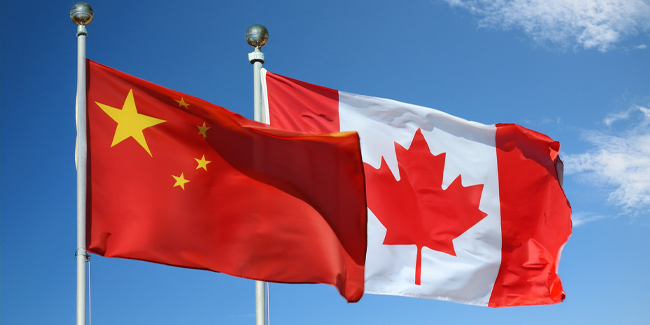
China’s state-supported industrial strategy is a central part of this challenge. Across critical minerals, batteries, connected vehicles, clean technology, advanced manufacturing, artificial intelligence, semiconductors and other foundational industries, its scale creates opportunities for engagement but also competitive pressures and strategic dependencies that can become difficult to unwind.
The Initiative will develop the sector-specific analysis needed to navigate these choices. It will examine where engagement with Chinese companies, capital and technologies serves Canadian interests, where dependencies create unacceptable risk, what Canada should seek in return for market access, and what needs to be protected, restricted or strengthened. The work will also consider how these choices affect Canada’s industrial ambitions, supply-chain resilience and evolving economic relationship with the United States.
Because many of these challenges are shared, CSS will build an international research and policy network with trusted partners in the Indo-Pacific and Europe facing similar choices. Comparative research and policy dialogue will examine industrial overcapacity, critical dependencies, investment and technology security, research protection and the Arctic dimensions of strategic competition. The objective is to strengthen Canada’s economic resilience and industrial position while preserving openness where it serves Canadian interests and protecting sovereignty and national security.
Our Experts








Related Publications
Canada has helped shape the international conversation on critical-mineral resilience. The next task is to demonstrate that it can build.
Our Asia Pacific Foundation of Canada Series on Chinese EV Investment

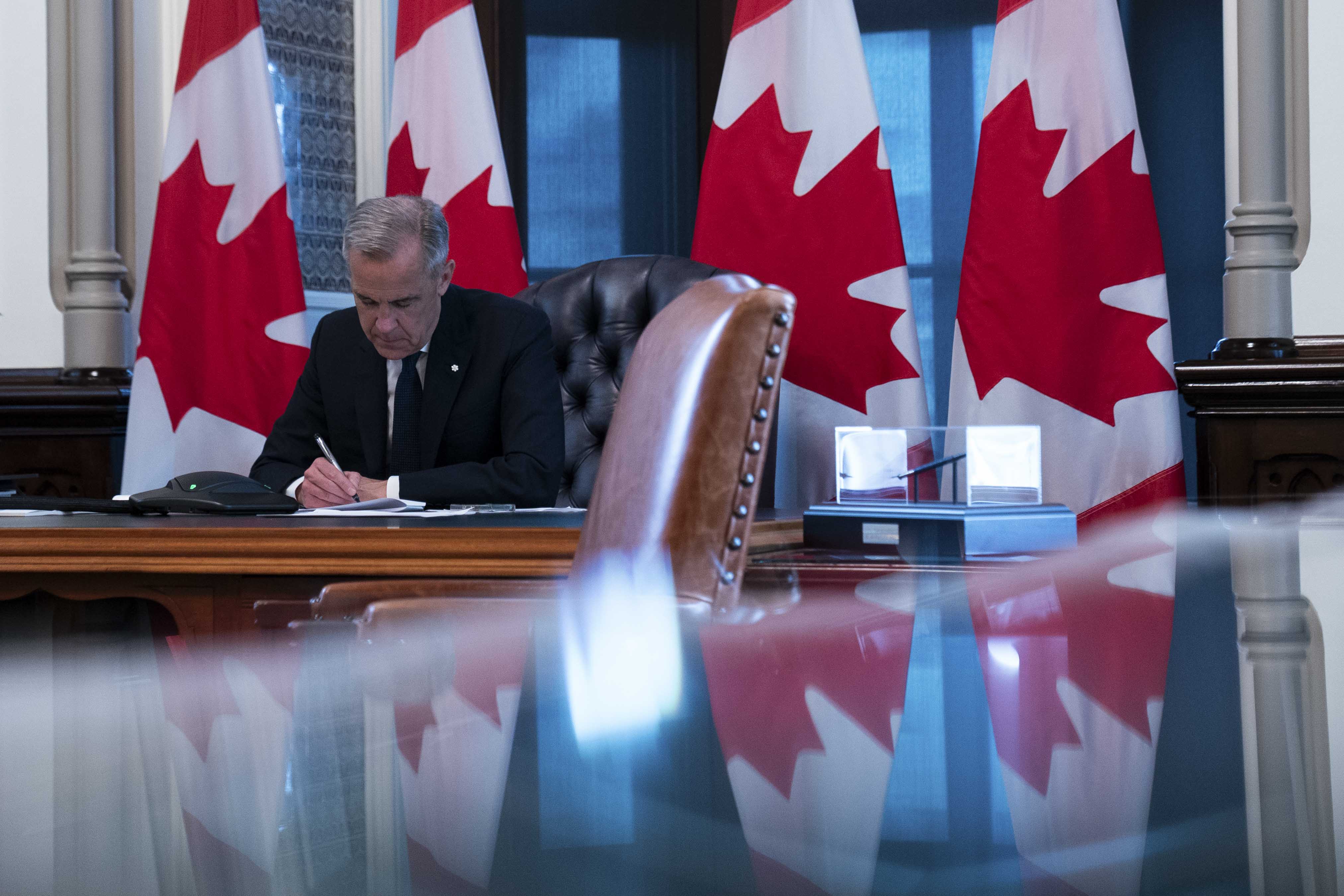
As Prime Minister Mark Carney has thawed Canada’s bilateral relationship with China within his wider policy of diplomatic and trade diversification in the face of an increasingly volatile United States, the question of Chinese electric vehicle investment in Canada has taken on new importance.
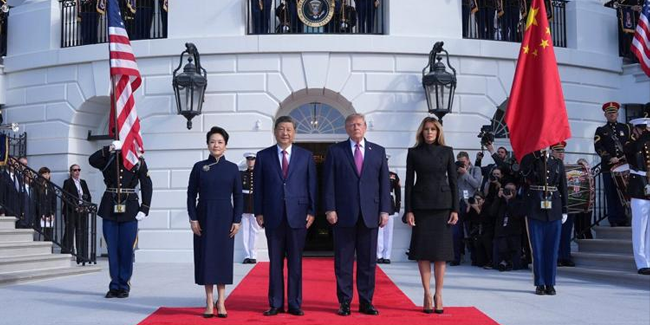
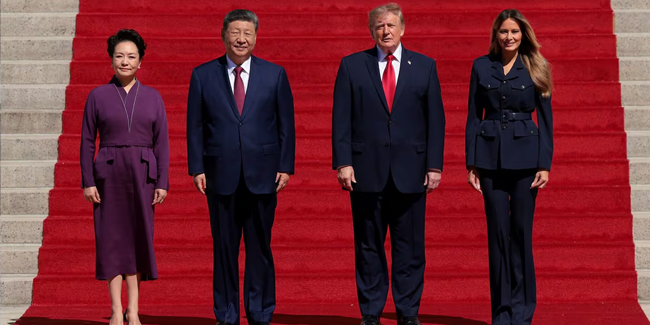
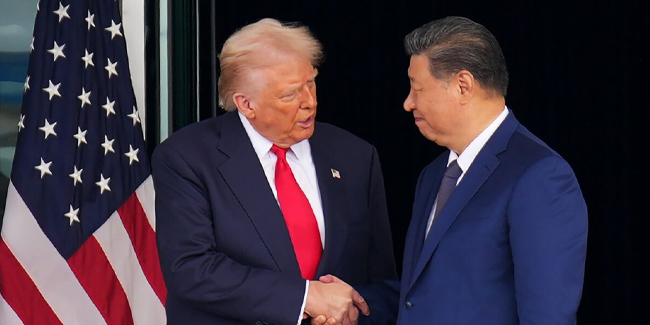
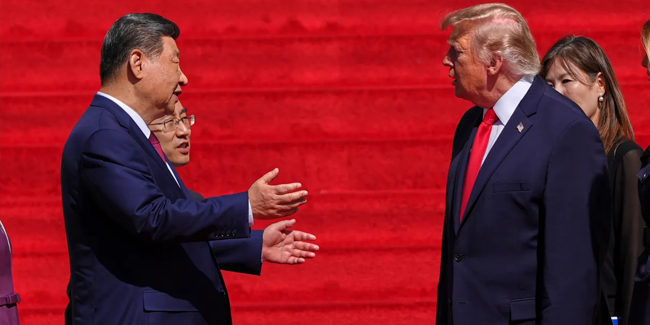
Whether Donald Trump acknowledges it or not, Iran is the likely spoiler in his summit with President Xi Jinping in Beijing this week. As Trump prepares to negotiate trade tensions with Beijing, he faces a far more intractable crisis in the Persian Gulf.
The Race to Secure Sustainable Supply Chains: Why Canada and South Korea Ought to be ‘Best Friends’

With climate change presenting profound challenges and opportunities worldwide, countries are racing to secure supply chains and position themselves as leaders in the clean energy transition. The electric vehicle (EV) supply chain in particular presents a once-in-a-generation opportunity for Canada as a producer of critical minerals.
Carney and his team indicated that they were ready to walk away from a deal and face the threatened tariffs.
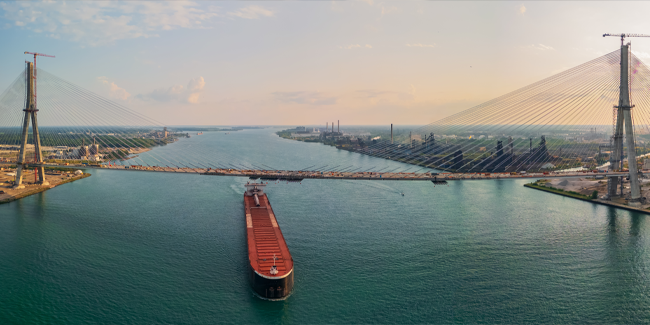
A geopolitical sales pitch for Canada in a world of weaponized trade

Prime Minister Mark Carney is selling some 167 major projects to investors at this week’s Canada Investment Summit. The strongest case for Canada may be a geopolitical one: in a world of weaponized trade routes, it is the reliable bridge between Asia and Europe.
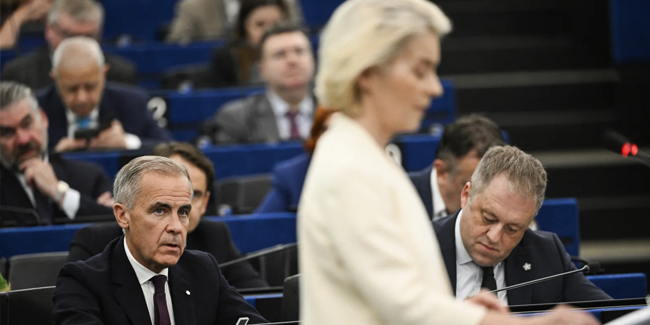
In Strasbourg, a muted Carney reins in EU enthusiasm and gives no answers

Prime Minister Mark Carney walked to the European Parliament’s lectern Thursday morning in Strasbourg, France, fresh off a clear political victory. But his vision of closer European Union ties has also clashed with harsh reality.
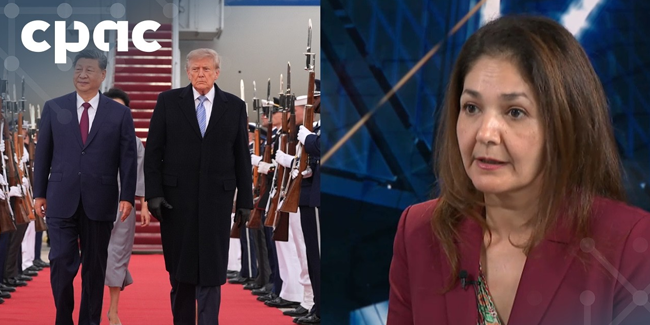
Why the Trump-Xi Washington Summit Matters to Canada
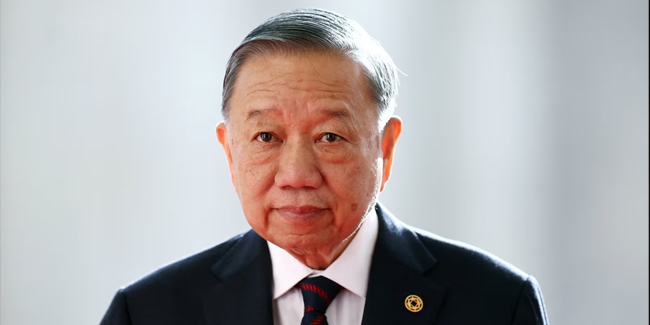
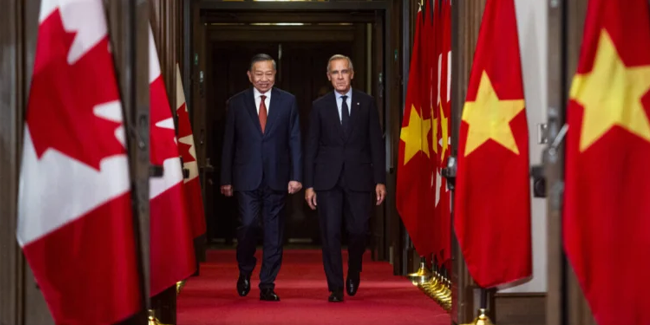
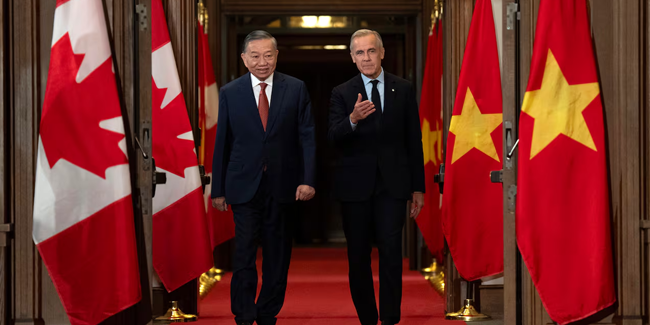
The Vietnamese president’s visit comes as Ottawa and Hanoi are both searching—from very different geopolitical positions—for greater resilience, diversified partnerships, and room to manoeuvre in a more contested world.
Canada and Vietnam: A Strategic Partnership Built on Economic Complementarity
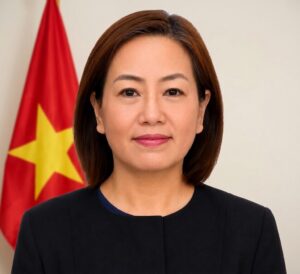
As Canada and Vietnam prepare to elevate their relationship to a strategic partnership, guest author Dr. Quynh Tran, Chief Trade Representative of Vietnam to Canada, argues that the most compelling reason isn’t about trading more with each other, but about building productive capacity together.
Related Media